-
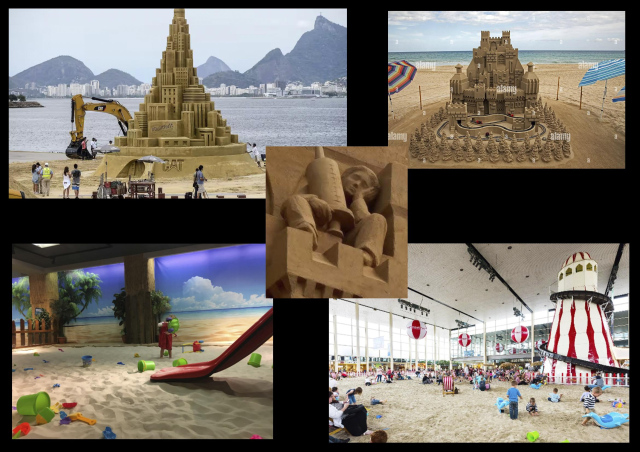 Mood boards for Sand Mining installation ideas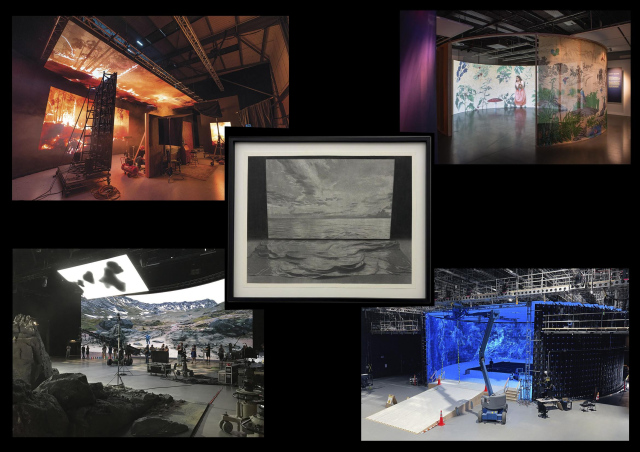
-
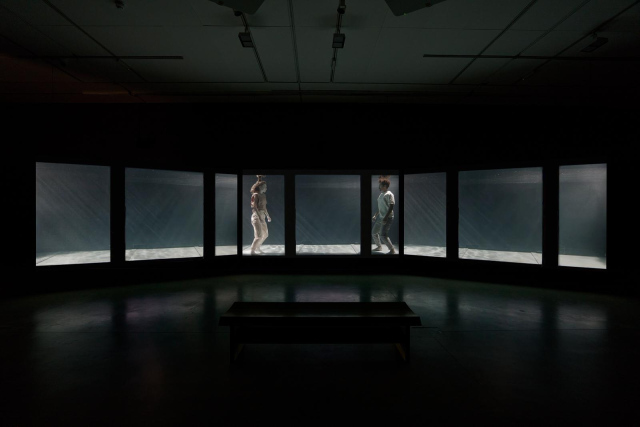
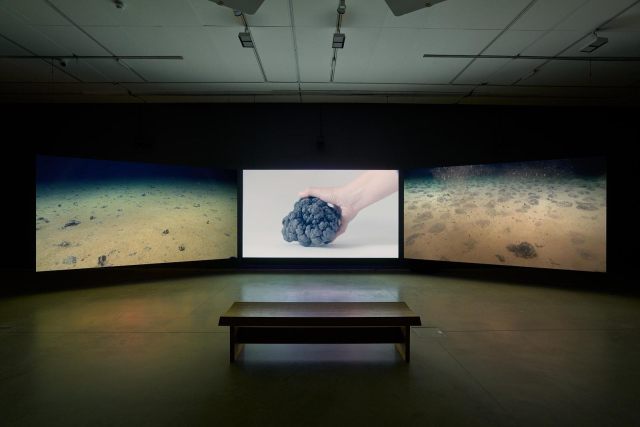
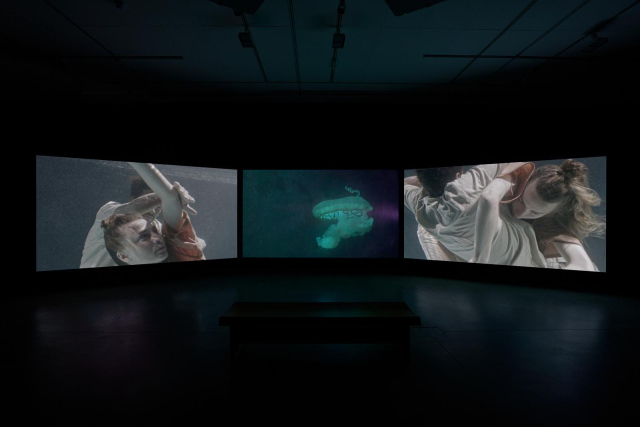
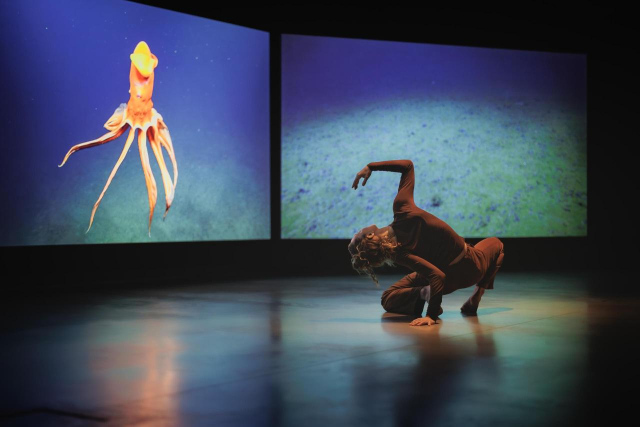
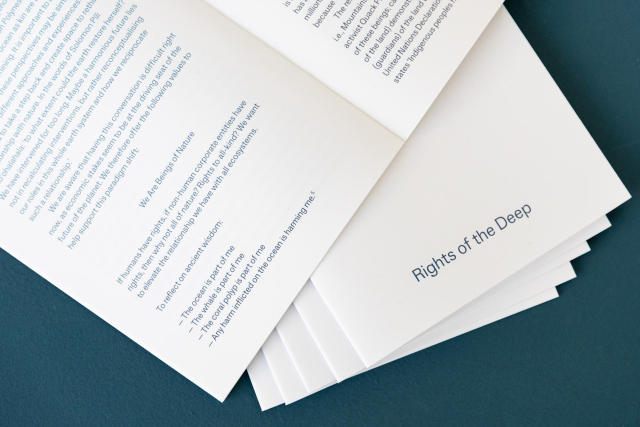
Soundings (2025) is a three-screen film work exploring deep-sea mining for minerals from the seabed and its ecological, geopolitical, and cultural impacts. Deep sea locations, soundscapes and voices weave together to take audiences on a journey into the deep. From encounters with deep-sea creatures to ancestral stories of our oceanic origins, the film invites us to reflect on our relationship with the deep ocean. Maps by ocean cartographer Marie Tharp show the first maps ever drawn of the seabed. Amongst the voices, Pacific activists, as well as lawyers, defend the ocean against mining. Some of the survey footage of the seabed (gathered from remotely operated vehicles) is from prospected mining sites in the Pacific. This, together with debates on ocean governance, highlights the complex issue of mining the seafloor.
At moments during the exhibition, live dance performances animate the work.
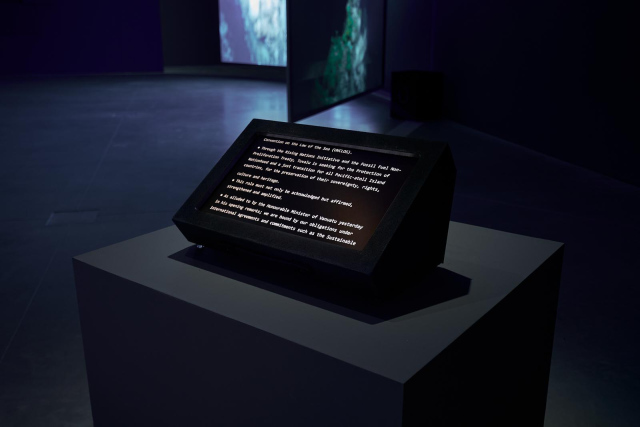
Nearby a rolling transcript relays the debate from the latest meeting of the International Seabed Authority (ISA) where States debate the regulations for mining, amid growing calls for a pause or moratorium.
Also displayed, a public letter from the Republic of Nauru states their intentions to submit an application to mine, even in the absence of official regulations.
-
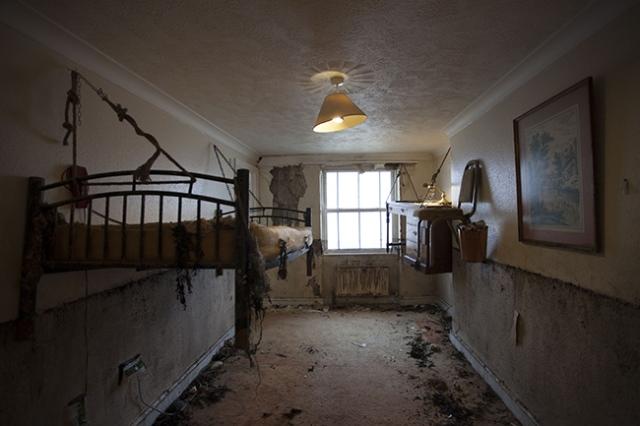
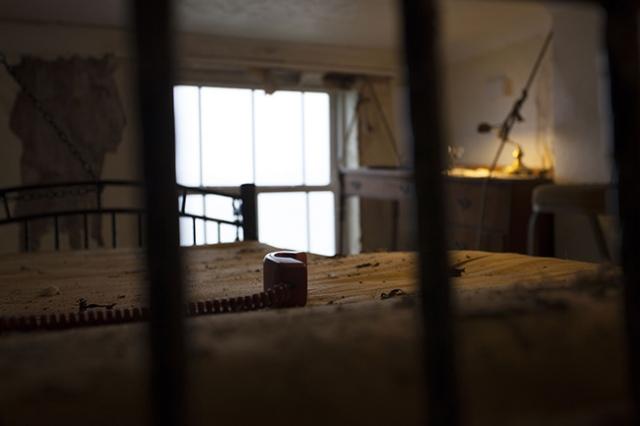
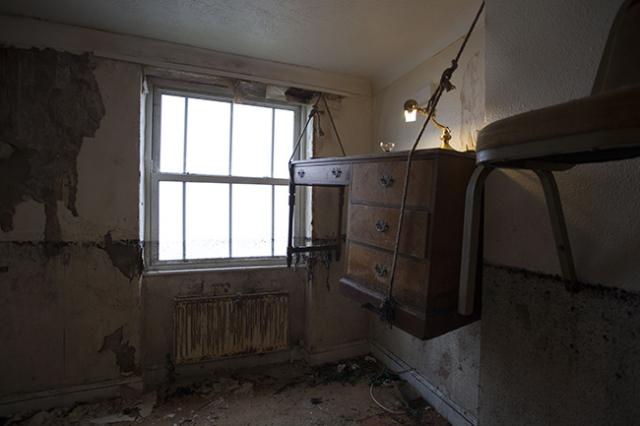
Do You Know Nothing? Do You See Nothing? Do You Remember, Nothing? (2018) is a site-specific installation created for the exhibition 'At The Violet Hour' at the Nayland Rock Hotel, Margate where artists were asked to respond to T.S. Elliot's poem 'The Wasteland'. The room responds to the dislocating sense of time in the chapter A Game Of Chess and the sense of critical exhaustion that resonates throughout the poem. Critchley considers this in relation to the current environmental situation where there is a strange conflation of future and present, as climatically things are changing so rapidly. The work takes references from the opening scene depicted in the chapter but also accentuates what was already happening in the hotel room. Critchley is interested in the psychology of our response to climate change; how environmental catastrophes are playing out around us, yet for the most part in the west we remain disengaged and indifferent. The room has become a space that floods at high tide, where the person has adjusted to a make shift way of living with this continual flooding.